Pharma teams rarely struggle because the science is weak. In most cases, the problem is communication. A tablet coating line, sterile filling setup, cleanroom workflow, or packaging sequence may be technically sound, but if investors, internal teams, operators, auditors, or distributors do not understand it quickly, delays follow. That is where 3D industrial animation becomes useful. It turns complex pharmaceutical processes into clear visual stories that people can review, approve, train on, and present with confidence.
In this article, you will learn how Tvisha Edge Technologies approaches pharmaceutical animation work, what capabilities matter in real projects, how quality and compliance details are handled, how to compare vendors, and what a practical delivery process looks like. For companies in Ahmedabad, Mumbai, Hyderabad, Chennai, Pune, Bangalore, or Vadodara, the same rule applies: accuracy comes first, then visual polish. You can explore the company background here: Tvisha Edge Technologies.
Why Choose Tvisha for 3D Industrial Animation For Pharmaceutical Industry
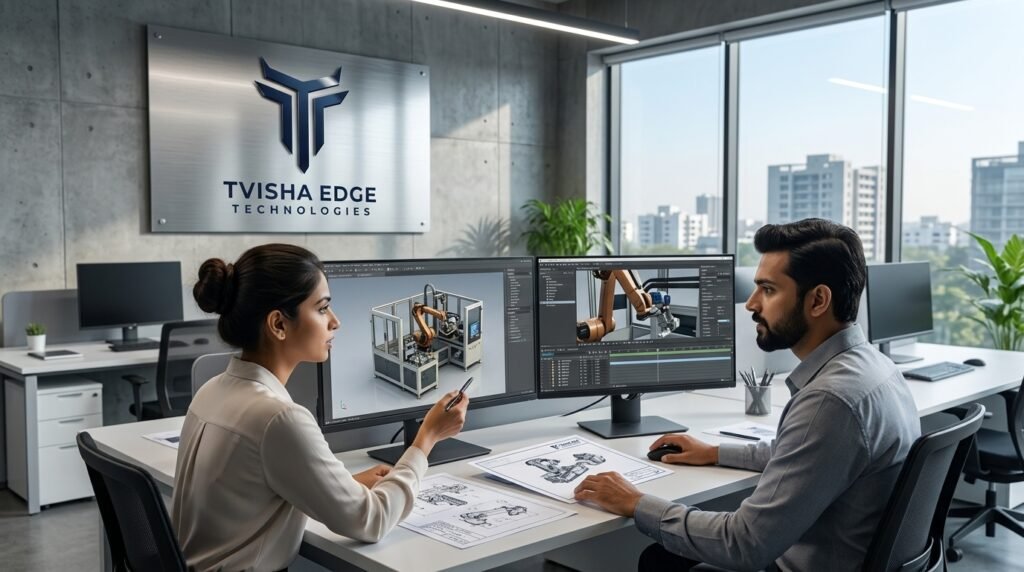
The right pharma animation partner needs more than software skills. They need process understanding, visual discipline, and the patience to review SOPs, CAD files, floor layouts, packaging steps, and machine movement before starting animation. Tvisha Edge Technologies is known as a 3D industrial animation studio Ahmedabad businesses approach when they need industrial storytelling with technical clarity, especially for manufacturing and engineering-led communication.
Here’s how Tvisha Edge Technologies adds value in pharmaceutical projects. The team works with an industrial mindset, which means visual decisions are tied to process logic. If a granulation sequence, bottle filling line, blister packaging cycle, or CIP flow must be shown, the output is built to explain each stage in a way that works for plant teams, management, sales teams, and training audiences. In practice, that reduces repeated explanation during reviews and presentations. For related technical execution support, many pharma brands also connect animation with web development solutions.
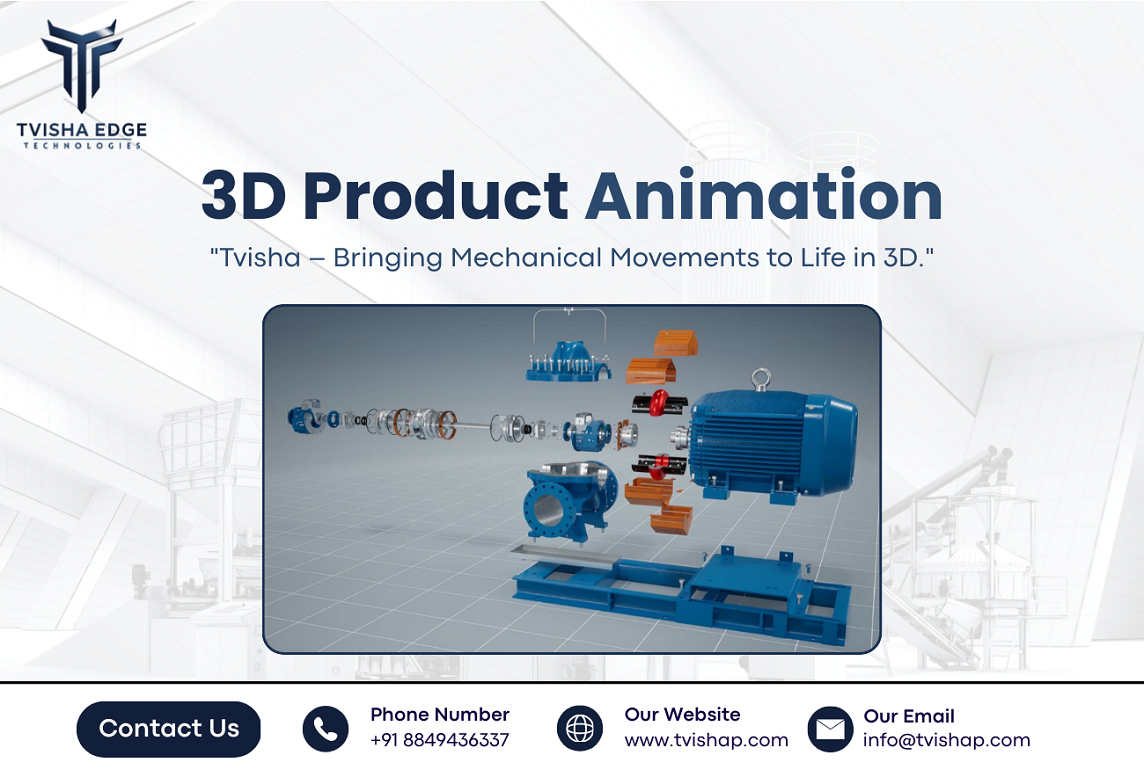
Yes, we provide more than pretty visuals. A pharma animation project may need machine animation, process sequencing, cut-section views, exploded assembly shots, cleanroom movement simulation, and 3D product rendering for equipment or packaging. That matters when teams in Delhi, Surat, or Jaipur want one asset that can serve exhibitions, internal learning, client pitches, and website communication. If the same animation has to support campaigns, launch pages, and lead generation, it can also align with digital marketing services.
A small example from western India explains this well. One pharma machinery supplier had a good product but struggled to explain dosing accuracy and change-part movement during sales meetings. Their brochures created interest, but buyers still asked for repeated demos. After switching to a short visual asset that showed sequence, part motion, and cleaning access properly, the sales team spent less time clarifying basic functionality. That is often the real business gain of 3D product animation services: less confusion, not just more attention.
Our 3D Industrial Animation For Pharmaceutical Industry Animation Capabilities
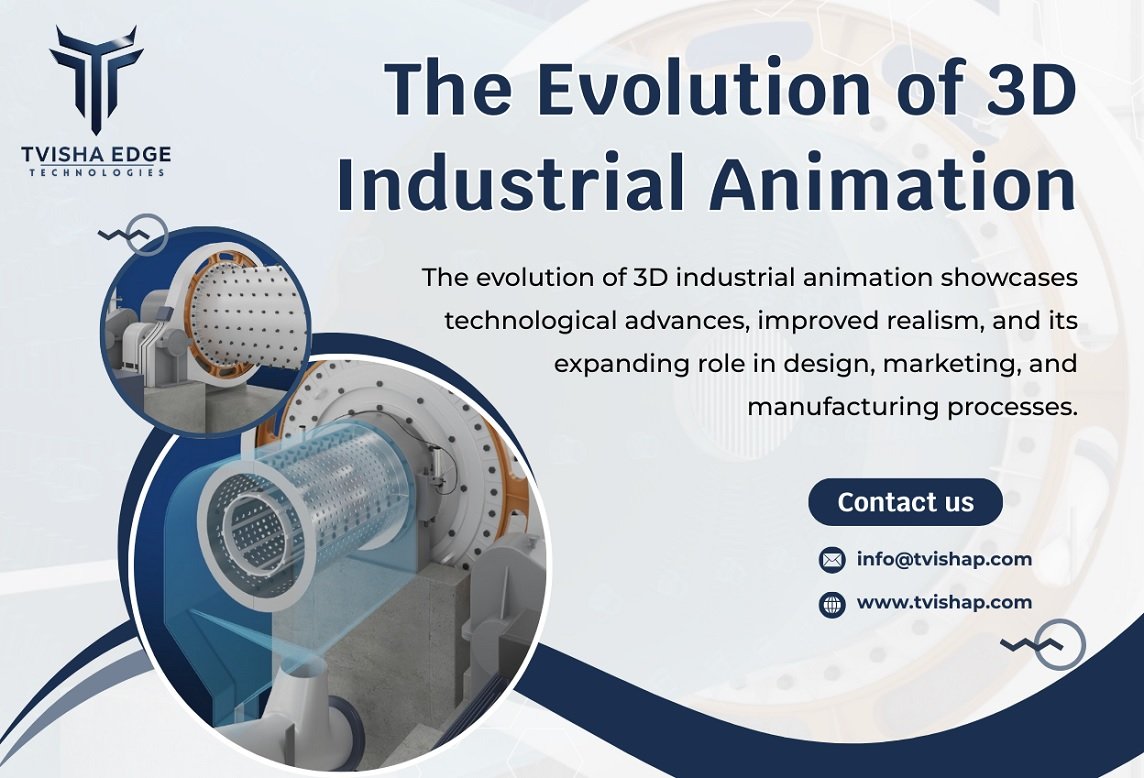
The most useful pharma visuals are the ones that make technical movement easy to understand. That can include capsule filling, vial washing, ampoule sealing, tablet compression, blister packing, secondary packaging, and even end-of-line pallet flow. A strong 3D industrial animation workflow usually combines engineering references, storyboard planning, motion sequencing, annotations, and final rendering for different audiences.
Yes, we provide capability across multiple output types. These include plant walkthrough animation for facility presentations, process line visuals for investor decks, training animation for operators, O&M animation for machine use and maintenance, and manufacturing animation for sales or compliance communication. In pharmaceutical projects, one animation often needs separate edits: one for technical buyers, one for plant staff, and one for marketing teams. For product-focused filming and hybrid visuals, some brands also use manufacturing product videography.
Here’s the mistake most teams make: they start with rendering quality and think technical mapping can be fixed later. In pharma, that order creates revision cycles. Process correctness must come first. If air handling, operator flow, sterile barriers, conveyor direction, or machine interlocks are shown incorrectly, even a visually polished video loses trust. That is why an experienced industrial animation company India clients rely on will ask process questions early.
A mini success story makes this practical. A packaging vendor serving clients in Kolkata and Chandigarh needed to explain a high-speed blister line to overseas buyers. Their static catalog looked fine, but buyers could not visualize reject handling and format changeover. A short photorealistic 3D animation with labeled sections solved that issue. The buyer understood machine logic faster, and the sales team used the same asset across trade shows and follow-up mails. You can see related technical storytelling examples in 3D machine animation services.
Navigating Quality Standards & Technical Accuracy
The best pharmaceutical animation work respects both engineering accuracy and communication goals. In real projects, that means checking dimensions, process steps, safety zones, and user movement before animation begins. It also means deciding what to simplify and what to preserve. Not every bolt needs attention, but every critical process stage does.
Yes, we provide content suited to regulated environments, but animation is not a compliance substitute. It is a communication layer. A good pharma animation should support understanding of equipment use, process sequence, maintenance logic, material flow, and facility layout without making claims it cannot support. In practical terms, this helps training teams, sales engineers, and project heads explain systems more consistently to stakeholders in Indore, Ahmedabad, and other manufacturing hubs. For related visual asset development, you can review product modeling and animation services.
Here are useful quality checks before approving any pharmaceutical animation:
- Are machine movements technically correct?
- Are product-contact and non-contact zones clearly distinguished where needed?
- Is the process sequence aligned with SOP or engineering input?
- Are cleanroom, packaging, or material-flow assumptions reviewed by the client team?
- Is text labeling simple enough for non-technical viewers?
- Are there separate versions for training, sales, and management review?
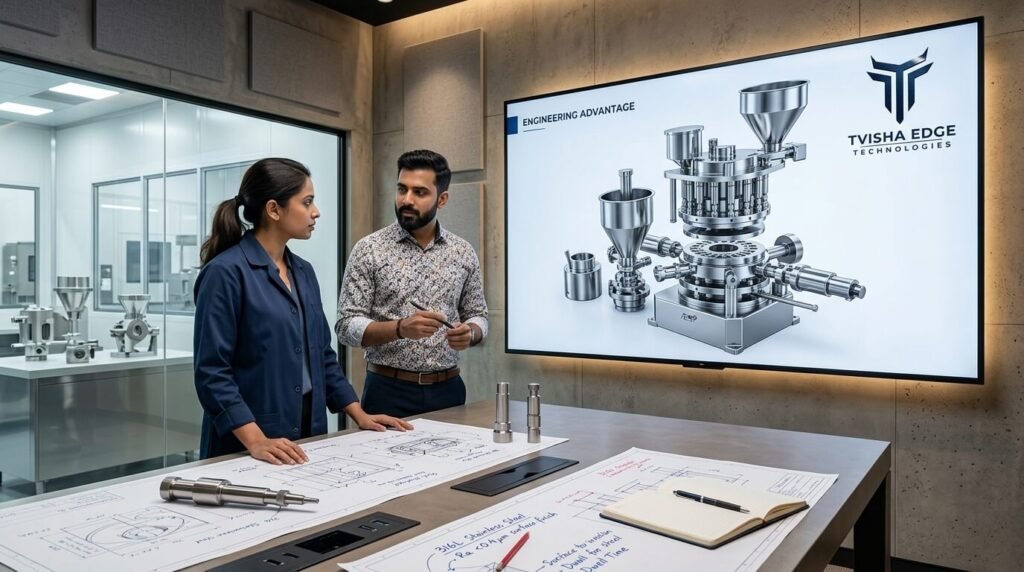
Here’s how Tvisha Edge Technologies usually handles accuracy: first collect CADs, reference videos, still photos, plant layouts, or hand-marked diagrams; then define the message; then map process motion; then review with the technical team before full rendering. That saves time later. It also helps when teams need 3D visualization services that are useful beyond one video, such as sales decks, microsites, or tender presentations.
Local Studios vs Tvisha Edge Technologies
The best comparison is not about “cheap vs costly.” It is about whether the studio can understand pharmaceutical communication risk. A generalist video team may create attractive output, but pharma projects need stronger process interpretation, terminology handling, and revision discipline. For broader industrial animation references, readers also review 3D animation services.
| Evaluation Point | Typical Local Studio | Tvisha Edge Technologies |
|---|---|---|
| Industrial process understanding | Often limited to generic motion graphics | Built around engineering, manufacturing, and industrial communication needs |
| Pharma equipment explanation | May need heavy client handholding | Handles process-led visualization with technical review inputs |
| Output versatility | Usually one video format | Training, O&M, marketing, walkthrough, product, and presentation versions |
| Visual realism | Moderate, often template-based | High-detail **industrial 3D animation services India** style output with photorealistic finish |
| Revision process | Reactive | Structured around storyboard, animatic, and technical checkpoints |
A simple decision checklist helps here. Choose a partner who can read engineering material, ask process questions, simplify complexity without distorting function, and provide versions for different business uses. If they can only talk about software and effects, that is a warning sign.
Get a Quote for 3D Industrial Animation For Pharmaceutical Industry
Step-by-Step Process – How We Deliver 3D Industrial Animation For Pharmaceutical Industry
Here’s how Tvisha Edge Technologies typically delivers a pharmaceutical animation project in a practical, low-friction way.
1. Discovery and technical intake
The first step is collecting CAD files, machine references, SOP notes, process photos, line diagrams, or even rough sketches. The goal is to understand what the animation must explain and who will watch it.
2. Script and storyboard mapping
Next comes message design. This is where the team defines whether the output is for sales, training, O&M, process explanation, or a plant presentation. That choice affects camera angles, labels, pacing, and detail level.
3. Modeling and environment build
Then assets are prepared. Machines, packaging components, plant layouts, conveyors, operator positions, and product views are built with attention to realism and proportion.
4. Motion review before final polish
This stage is where good projects save time. Before full rendering, the client reviews core process movement. If any hopper flow, feeding mechanism, indexing cycle, or maintenance access needs correction, it is fixed here.
5. Final rendering and output versions
The final stage includes voiceover, captions, labels, music if needed, and export formats for websites, sales meetings, exhibition screens, WhatsApp sharing, and internal training.
This process works because it reduces late-stage surprises. If you are evaluating options, ask for a Free 3D Animation Consultation, request a WhatsApp discussion, or Download Industrial Animation Cost Guide before finalizing scope.
Real Client Case Study
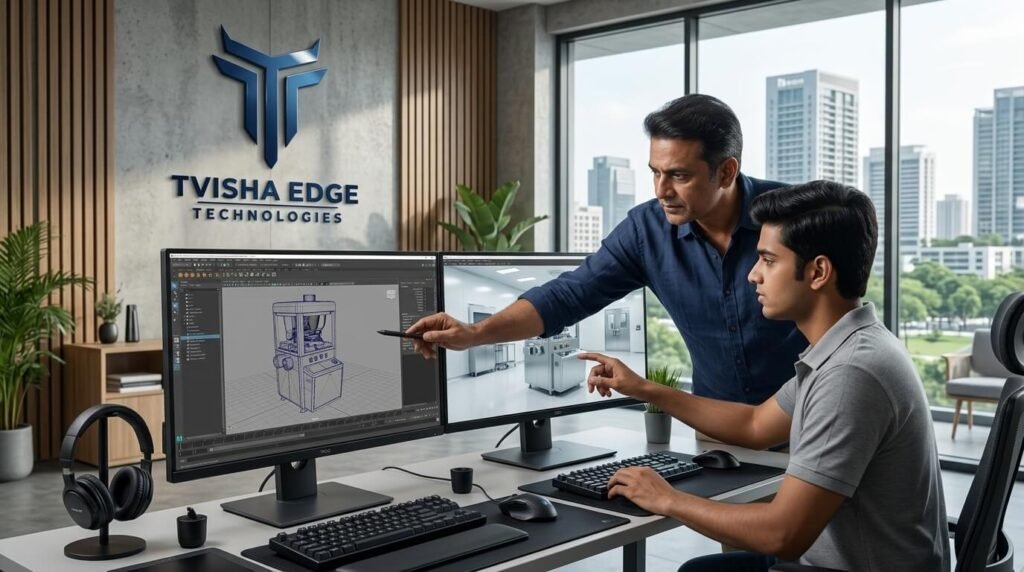
A mid-sized pharmaceutical equipment manufacturer from Surat approached Tvisha Edge Technologies with a familiar problem. Their injectable filling line was technically strong, but the sales team found it difficult to explain sterile sequence, part interaction, and maintenance access to prospects in Mumbai, Delhi, and Hyderabad. Factory visits were useful, but not every buyer could travel.
The project began with CAD references, assembly drawings, mobile-shot factory footage, and a list of buyer questions collected by the client’s sales head. Instead of creating a generic promo, the animation was divided into three layers: full machine overview, process-wise breakdown, and cleaning plus change-part explanation. That made the asset more useful across departments.
The result was practical. The client reported better first-level understanding during online presentations, fewer repeated clarification calls, and stronger engagement from technical buyers. Just as important, the same visual asset helped train new sales staff. For companies considering similar work, the next sensible step is to speak with the team through the contact page.
FAQs
1. What is 3D industrial animation for the pharmaceutical industry?
- It is a visual method used to explain pharma machines, production processes, packaging lines, plant layouts, or maintenance steps through realistic 3D motion.
2. Why do pharmaceutical companies use animation instead of only brochures?
- Because moving visuals explain sequence, machine interaction, and hidden parts much faster than static images, especially during sales and training.
3. Can animation help with operator training?
- Yes. Training-focused videos can show start-up, operation, cleaning, safety, and maintenance steps in a repeatable format.
4. Is plant walkthrough animation useful for pharma projects?
- Yes. It helps teams present facility design, production flow, room zoning, and process understanding before or after setup.
5. What input is needed to start a project?
- Usually CAD files, machine photos, process notes, brochures, layout drawings, reference videos, and a clear explanation of the target audience.
6. How long does a pharma animation project take?
- Simple projects may take a few weeks. Larger process-led animations with multiple review rounds can take longer depending on complexity.
7. Can one animation be used for sales, exhibitions, and websites?
- Yes, if the project is planned properly. Most companies create one master version and then shorter edits for different uses.